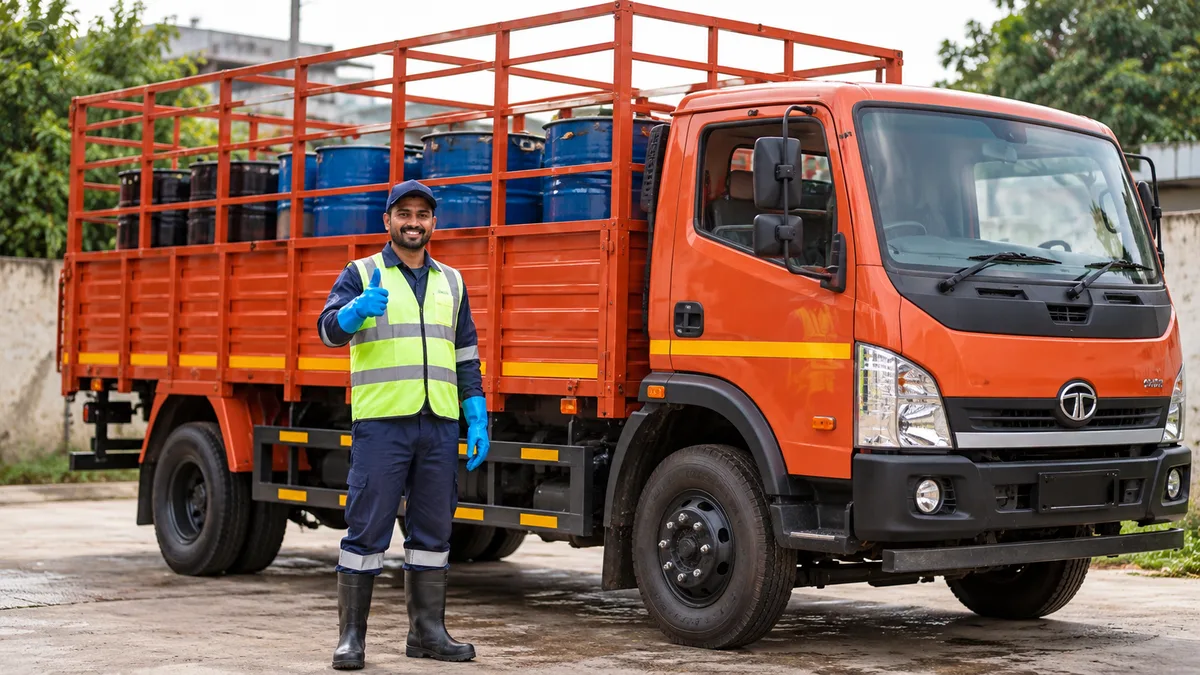
Used oil collection may sound simple. Someone generates used oil, a collector picks it up, and it moves towards recycling. But on the ground, the process is rarely that straightforward. The challenges begin much before the oil reaches a recycling facility.
Collection Points Are Not Always the Same
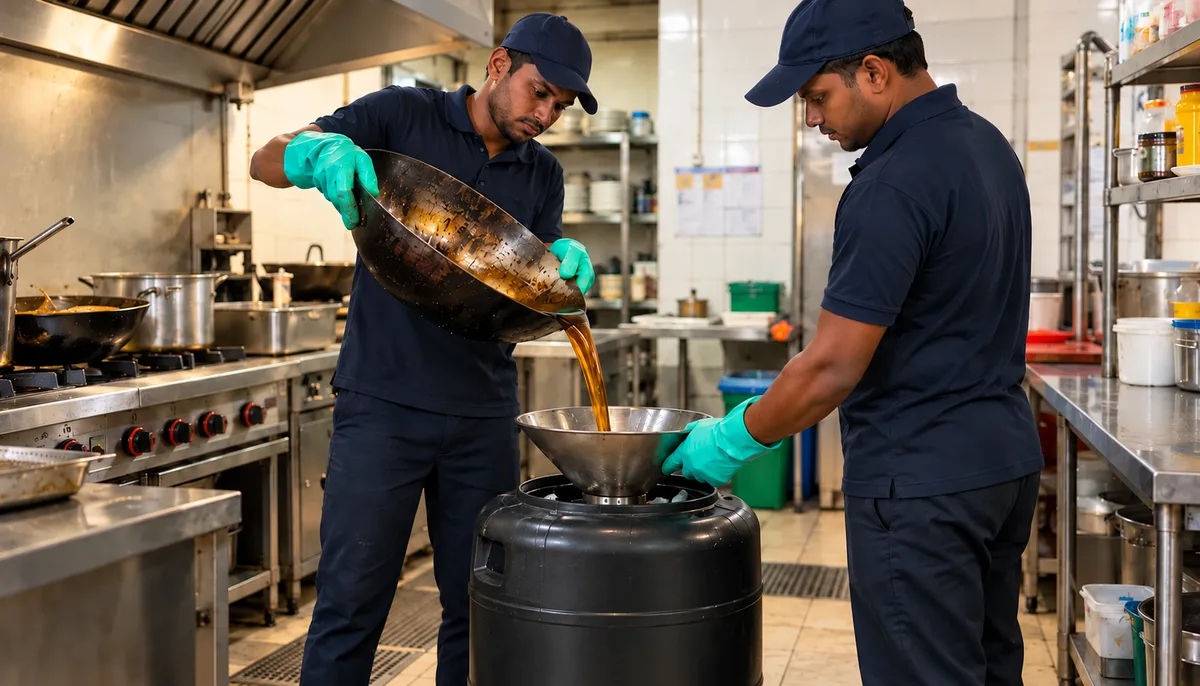
Used oil can come from workshops, garages, industries, machinery and other businesses. Each location has its own way of storing and handling it. Some businesses may keep used oil in proper containers and have it ready for collection. Others may use unsuitable containers, leave them uncovered, or store them in places where spills are likely. For the collector, every pickup can therefore be different.
Storage Can Become a Problem
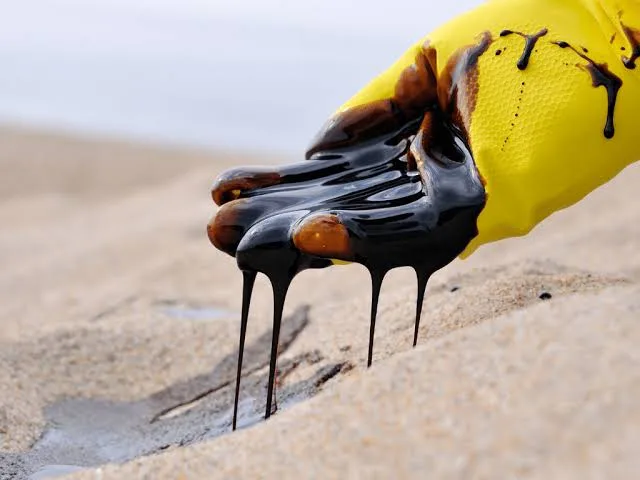
A collection may be delayed simply because the used oil has not been stored properly. Leaking containers, mixed waste, limited storage space, and oil kept near drains can make collection more difficult and increase the chances of spills. A good collection starts with proper storage at the point where the oil is generated.
Awareness Is Still a Challenge
One of the greatest difficulties is simply that people may not know what responsible used oil management involves. A workshop may know that used oil needs to be removed, but may not know how it should be stored. A business may generate large quantities but have no organised collection process. This is where communication becomes important. Collectors often have to do more than collect - they may also have to explain.
Transportation Needs Care Too
Once the oil is collected, it still has to reach the next stage safely. Containers need to be properly secured, and precautions have to be taken to prevent leaks or spills during transportation. A problem on the road can affect the worker, the vehicle, and the surrounding area.
Supporting the People Behind Collection
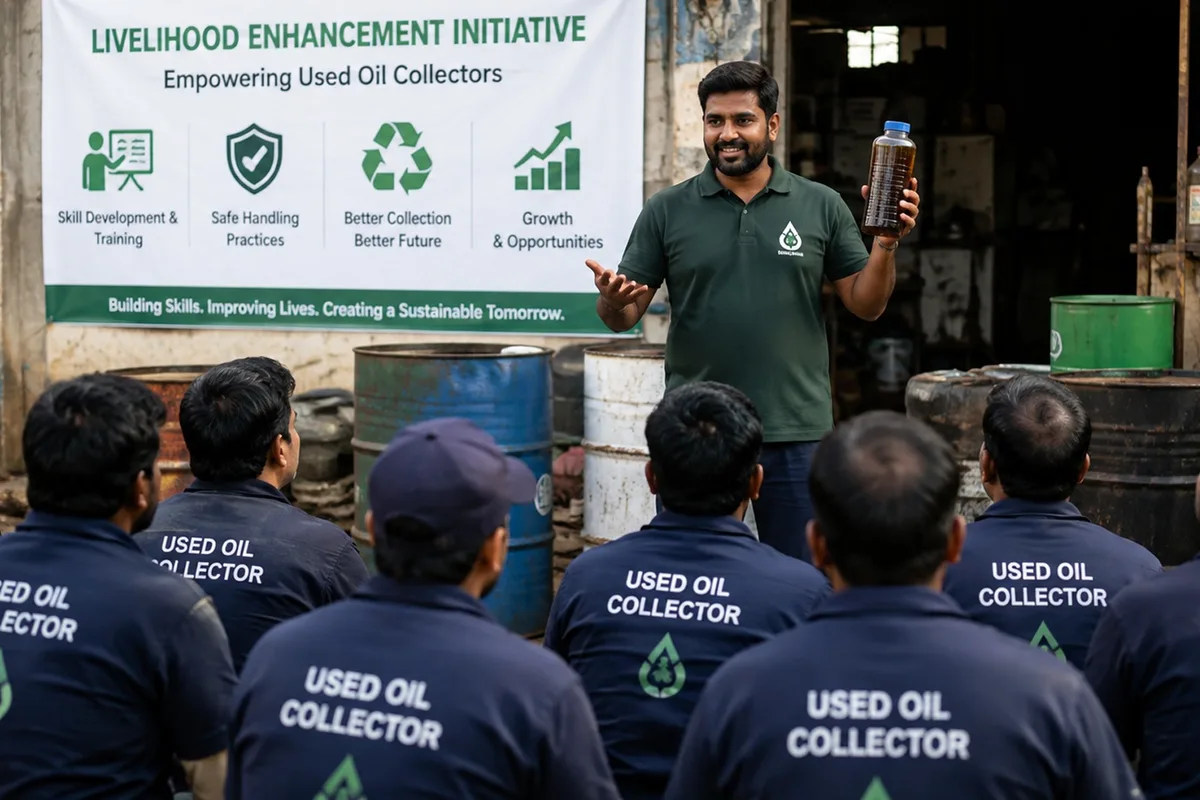
The challenges faced at the ground level show why used oil management cannot be looked at only from the recycling side. The people involved in collection need access to proper training, safety equipment, health support and opportunities to improve their skills.
At RUOMF, we believe that improving used oil management also means paying attention to the people doing the work. Through awareness, training, safety support and community engagement, we aim to encourage better practices from the point where used oil is generated.
Because a responsible used oil system does not begin at the recycling facility. It begins with what happens at the first collection point.