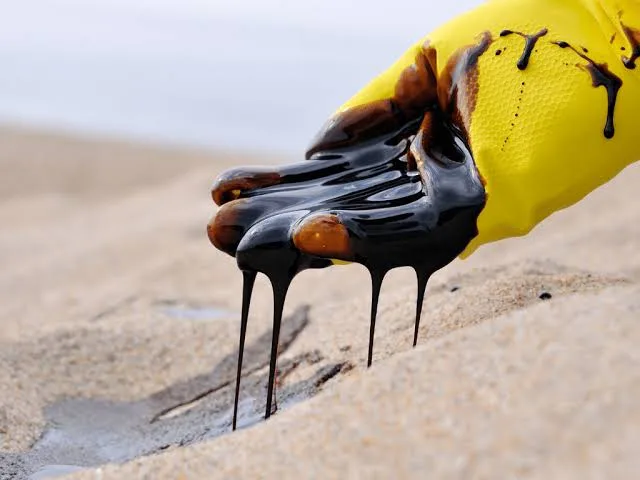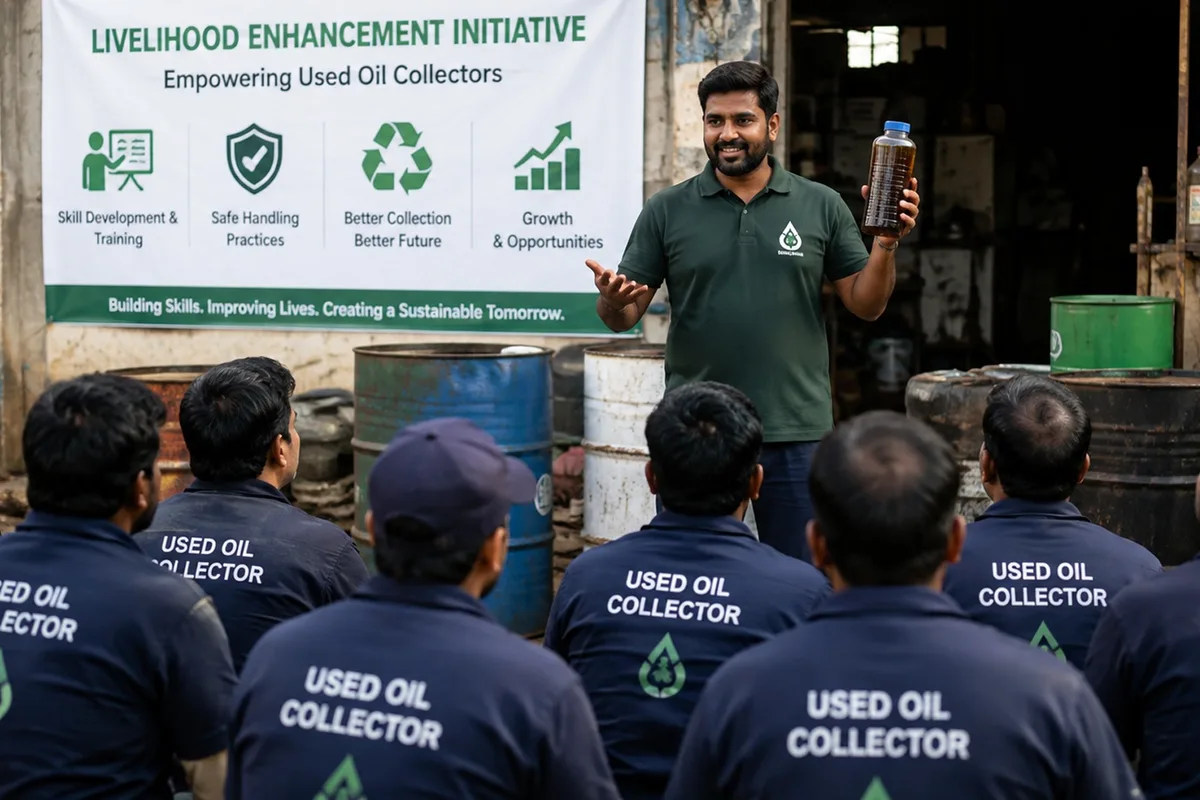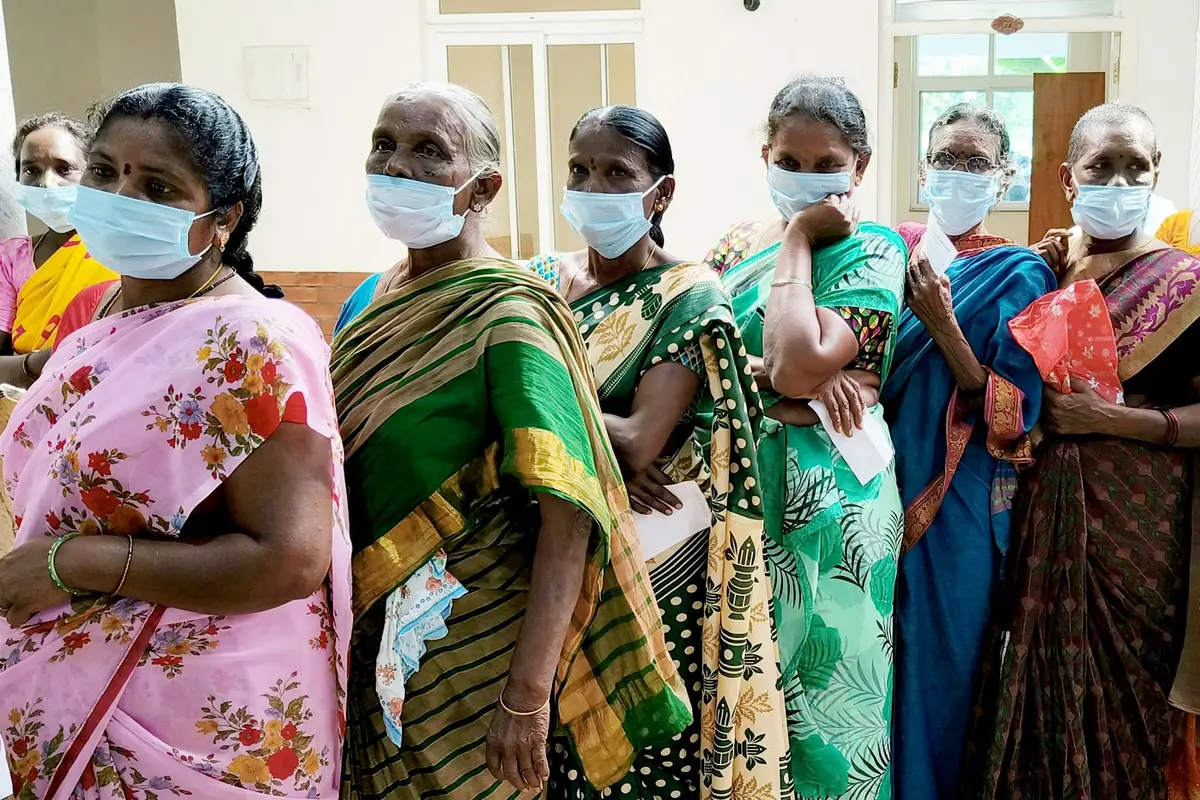
Used oil is generated every day. It comes from vehicles, workshops, industries, machinery and many other places. Yet, very few people stop to think about what happens to it after use. This is where community awareness becomes important. Responsible used-oil management cannot be limited to workshops, recyclers, or collection agencies. The people living and working around these places also need to understand why used oil should be collected properly and what can happen when it is handled or disposed of carelessly.
Awareness Starts With Simple Conversations
A community awareness campaign does not always need to be complicated. Sometimes, it can start with a simple conversation at a workshop, a neighbourhood meeting or a local community event. People can be shown where used oil comes from, why it should not be poured onto the ground or into drains, and why proper collection and recycling matter. The aim is not to overwhelm people with technical information. It is about giving them information they can understand and use in everyday life.
Reaching the People Who Matter
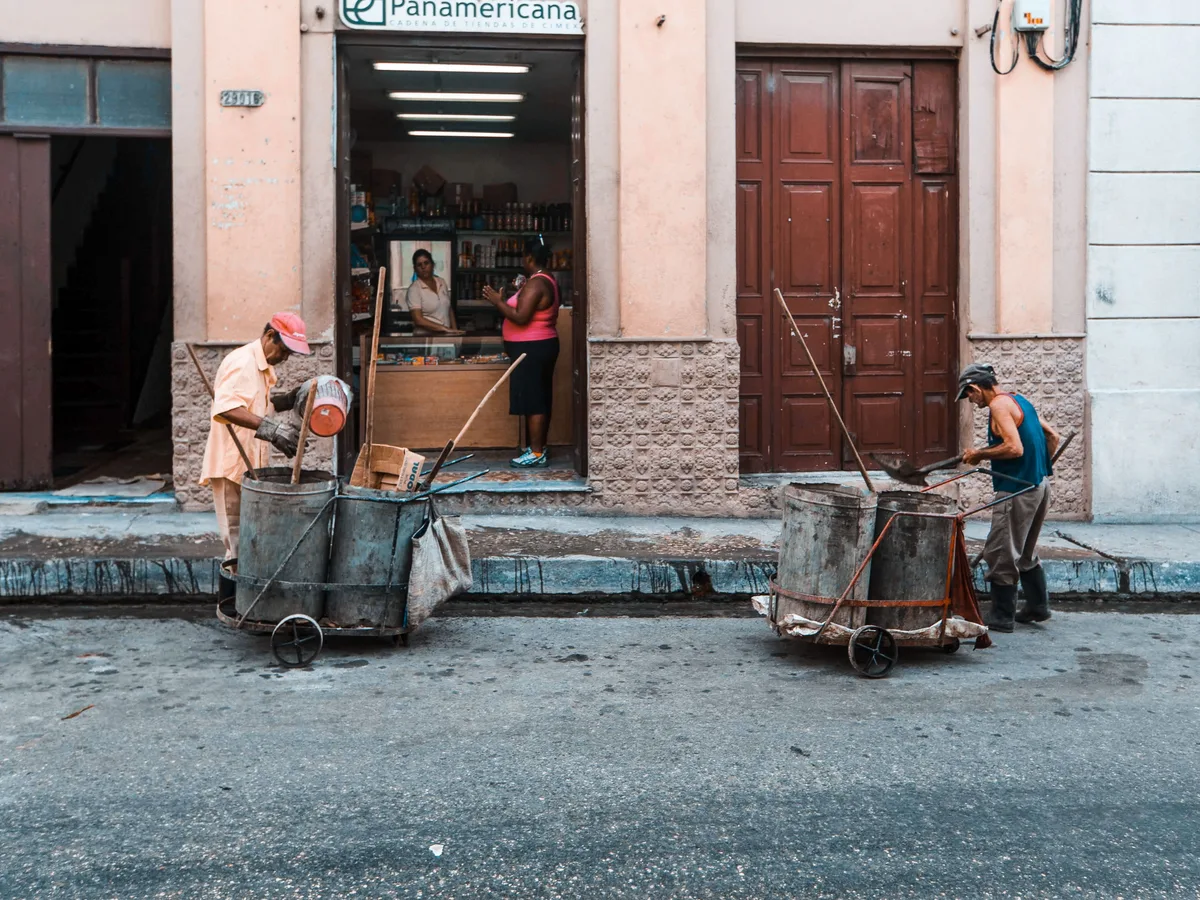
Different people come across used oil in different ways. A workshop owner may deal with used engine oil every day. A vehicle owner may only see it during an oil change. A business may generate larger quantities through machinery. Collection workers handle it as part of their livelihood. Each of these groups has a role to play. Community awareness programmes can bring these conversations closer to people and help them understand what responsible used oil management looks like in practice.
Awareness Should Include the People Behind Collection
There is another part of the conversation that is often missed - the people who collect used oil. Collectors work at the ground level and are an important link between used oil generators and the recycling chain. Their safety, health and working conditions also deserve attention. Awareness campaigns can therefore include information on safe handling, proper storage, transportation, and the importance of using appropriate safety equipment. When communities understand the work collectors do, they are also more likely to see responsible collection as an important part of waste management.
Taking Awareness Beyond a Single Event
One awareness session may start a conversation, but regular engagement can help keep it going. At RUOMF, our Community Awareness Campaigns aim to take responsible used oil management closer to communities through simple conversations, educational activities and practical information. We want people to understand that used oil does not simply disappear after it leaves a vehicle or machine. What happens next matters. A community that understands the issue can make better choices, ask the right questions and encourage others to do the same. Because responsible used oil management does not start at the recycling facility. It starts with awareness - and awareness starts with people.