Changing engine oil is a routine part of keeping vehicles and machines running smoothly. But have you ever wondered what happens to that used oil once it leaves your workshop? For many, that's where the story ends. In reality, it's only the beginning. When used lubricating oil is handled responsibly, it doesn't become waste. It becomes a valuable resource that can be recovered and reused, helping reduce pollution and conserve natural resources.
It all starts with responsible collection
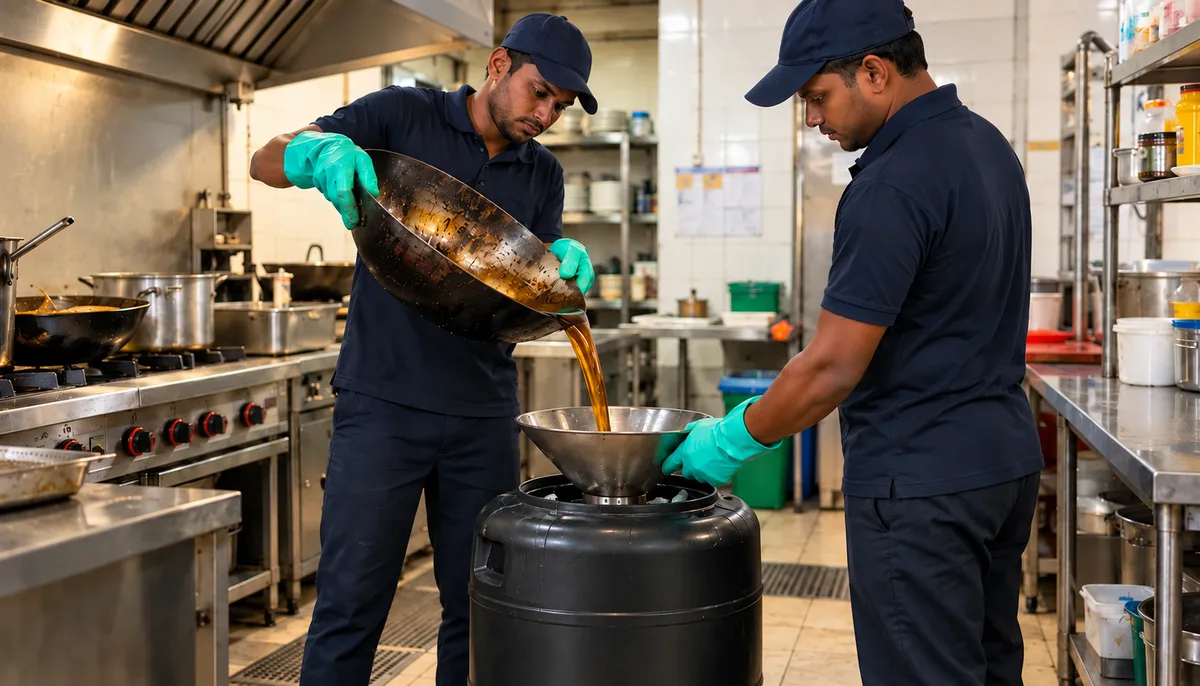
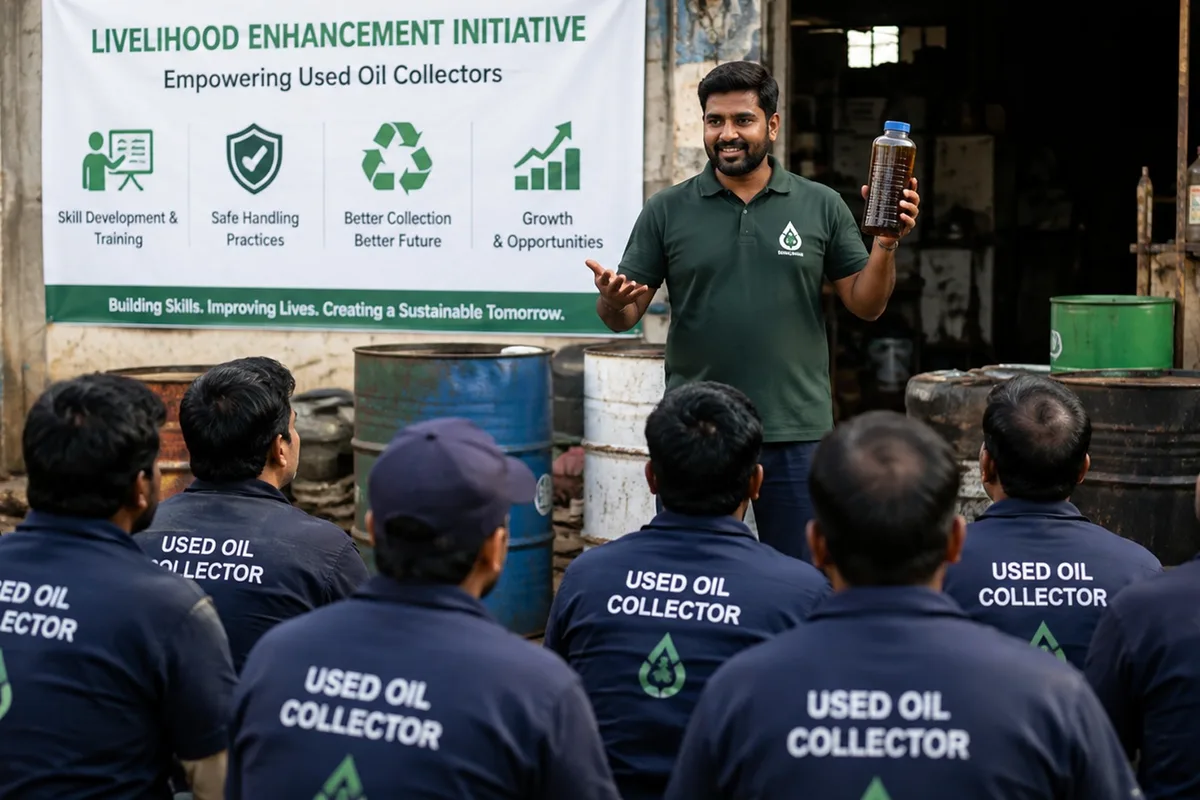
After an oil change, the used oil should be stored safely in clean, leak-proof containers. Proper storage prevents spills and keeps the oil free from contamination, making it suitable for further processing. Once enough oil has been collected, it is handed over to an authorised collection partner. This is one of the most important steps in the entire process. Responsible collection ensures that the oil stays within the formal recycling system rather than being dumped, burnt, or misused.
The journey continues
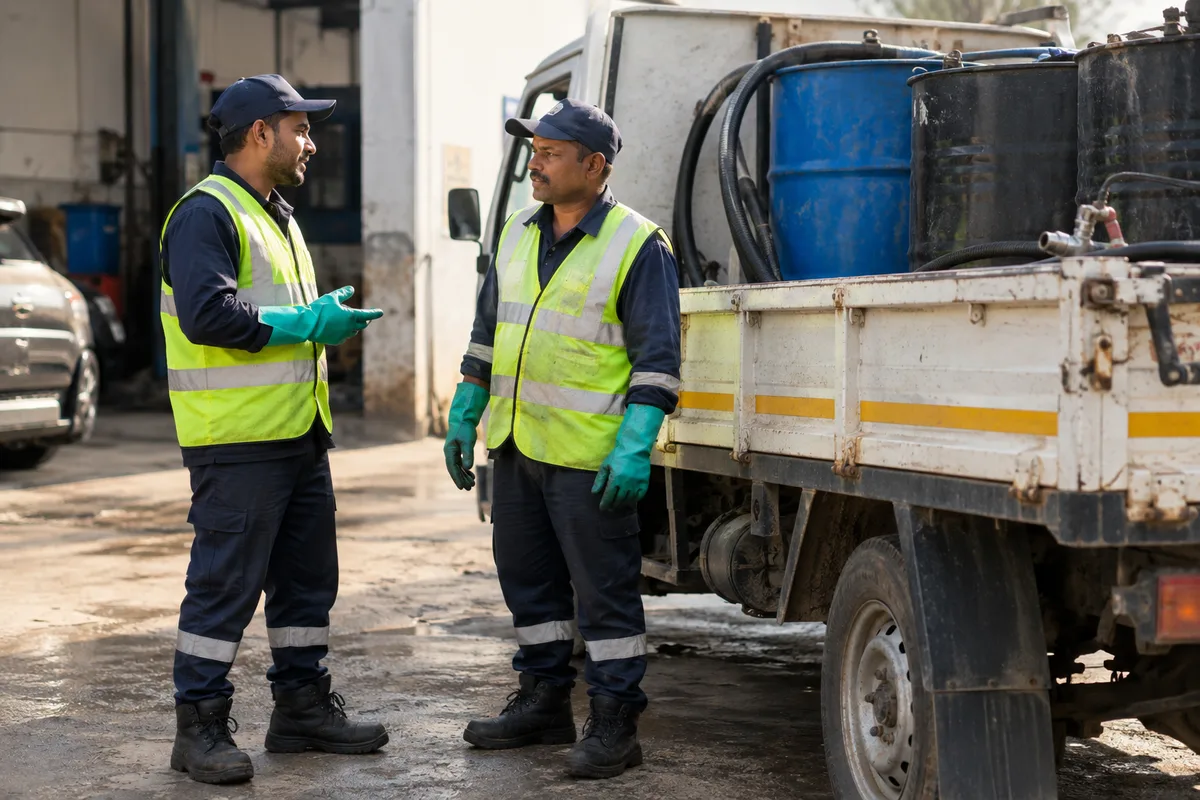
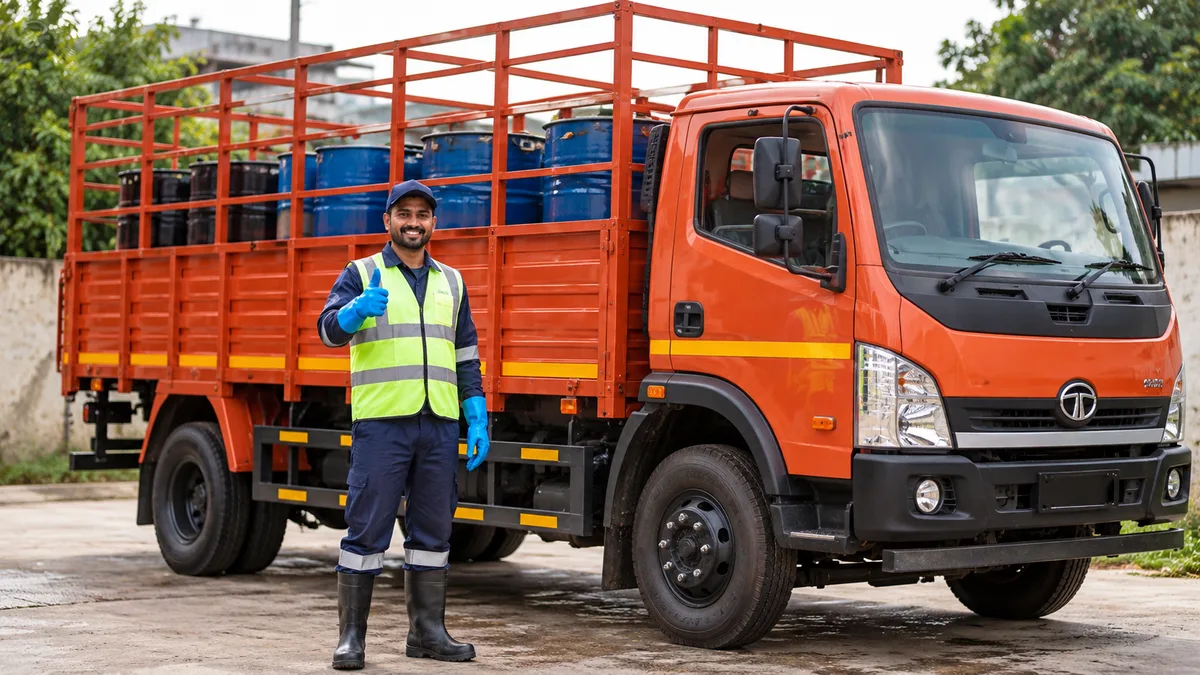
Collected used oil is transported to authorised recycling facilities, where it undergoes a carefully controlled process. Impurities such as dirt, water, metal particles, and other contaminants are removed to recover valuable base oil. This recovered oil can then be processed into high-quality products that are suitable for industrial use, reducing the need to extract fresh natural resources. Instead of ending up in the environment, used oil gets a second life.
Why responsible disposal matters
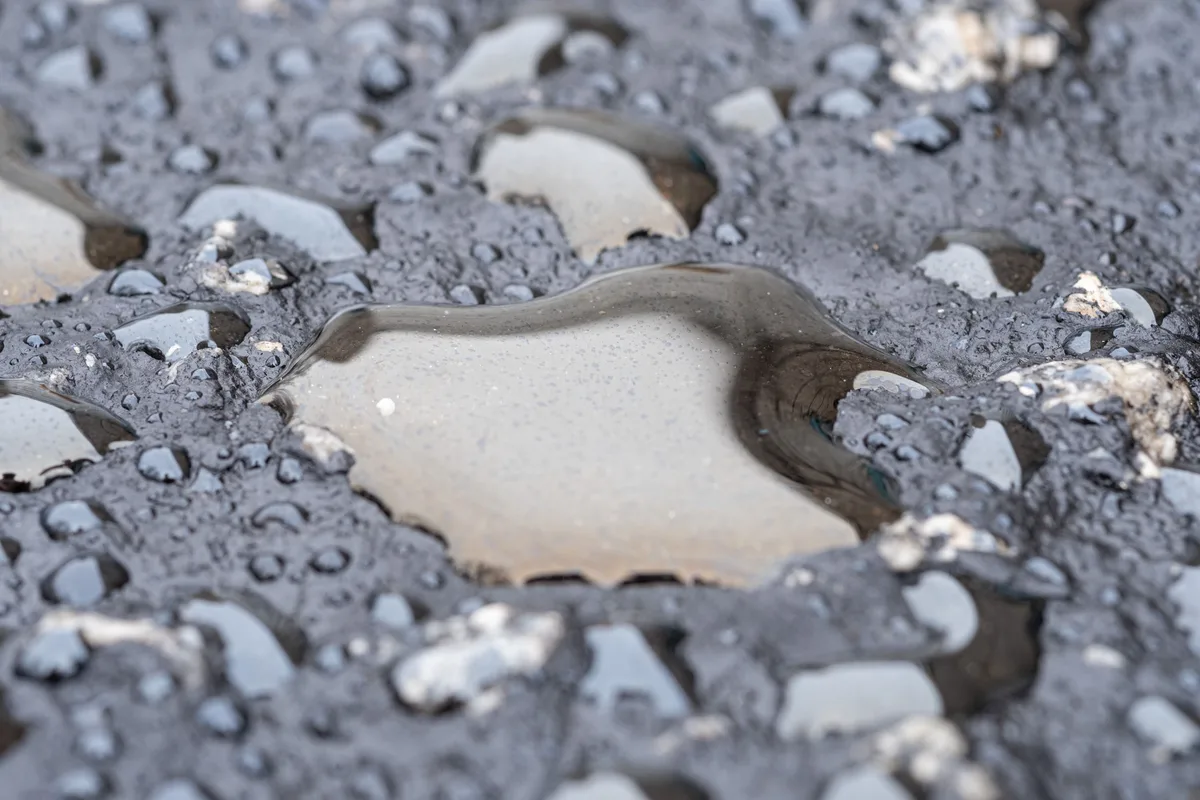
Improper disposal of used oil can have serious consequences. If it is poured onto the ground, into drains, or mixed with other waste, it can contaminate soil and water, causing long-term environmental damage. Choosing the right collection and recycling channel helps prevent pollution while supporting a cleaner and more responsible approach to waste management.
Everyone has a role to play
Whether you run a workshop, manage a fleet, or own industrial equipment, your responsibility doesn't end after an oil change. It continues until that used oil reaches an authorised collector for safe recycling. Every litre managed responsibly is a step towards protecting our environment and making better use of valuable resources.
At the Responsible Used Oil Management Foundation (RUOMF), we believe that awareness is the first step towards change. When more people understand the journey of used oil, they are more likely to make responsible choices that benefit both the environment and future generations. Because every drop deserves a responsible future.